

4.9 Ratings based on 1,000+ reviews
Natural and Lab-grown
diamond
Natural diamond and Lab-grown diamond Export
Seamless Integration with Your Favorite Tools






Features & Benefits
About of natural diamond and lab-grown diamond
Natural diamonds are formed deep within the Earth’s mantle under extreme heat and pressure over billions of years. They are mined from the earth and are valued for their rarity, natural origin, and unique geological history.
Lab-grown diamonds are created in controlled laboratory environments using advanced technology that replicates the natural diamond-growing process. They have the same chemical composition, physical properties, and brilliance as natural diamonds.




Featured Sections
Beautifully Crafted Diamond Jewellery for Every Style
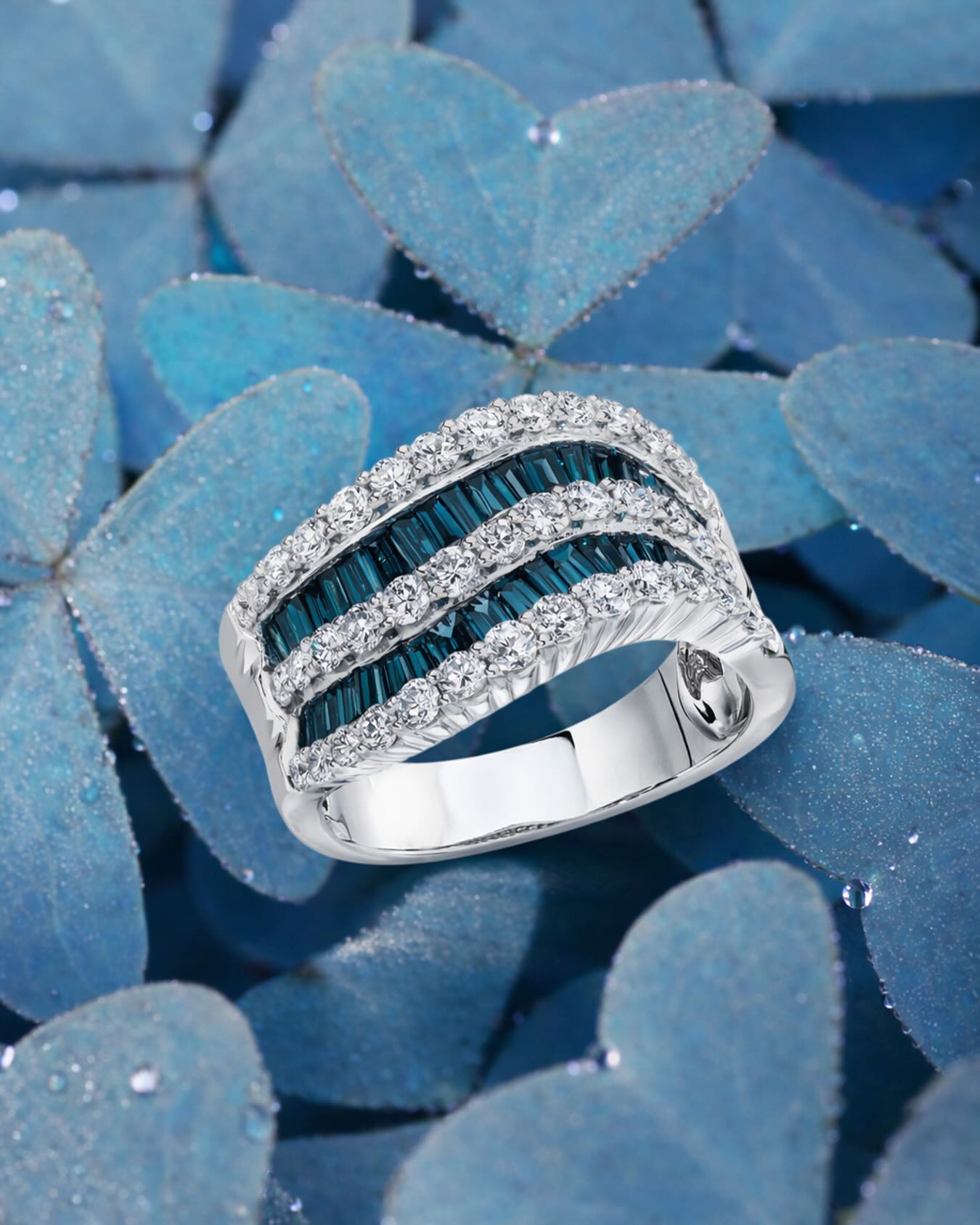
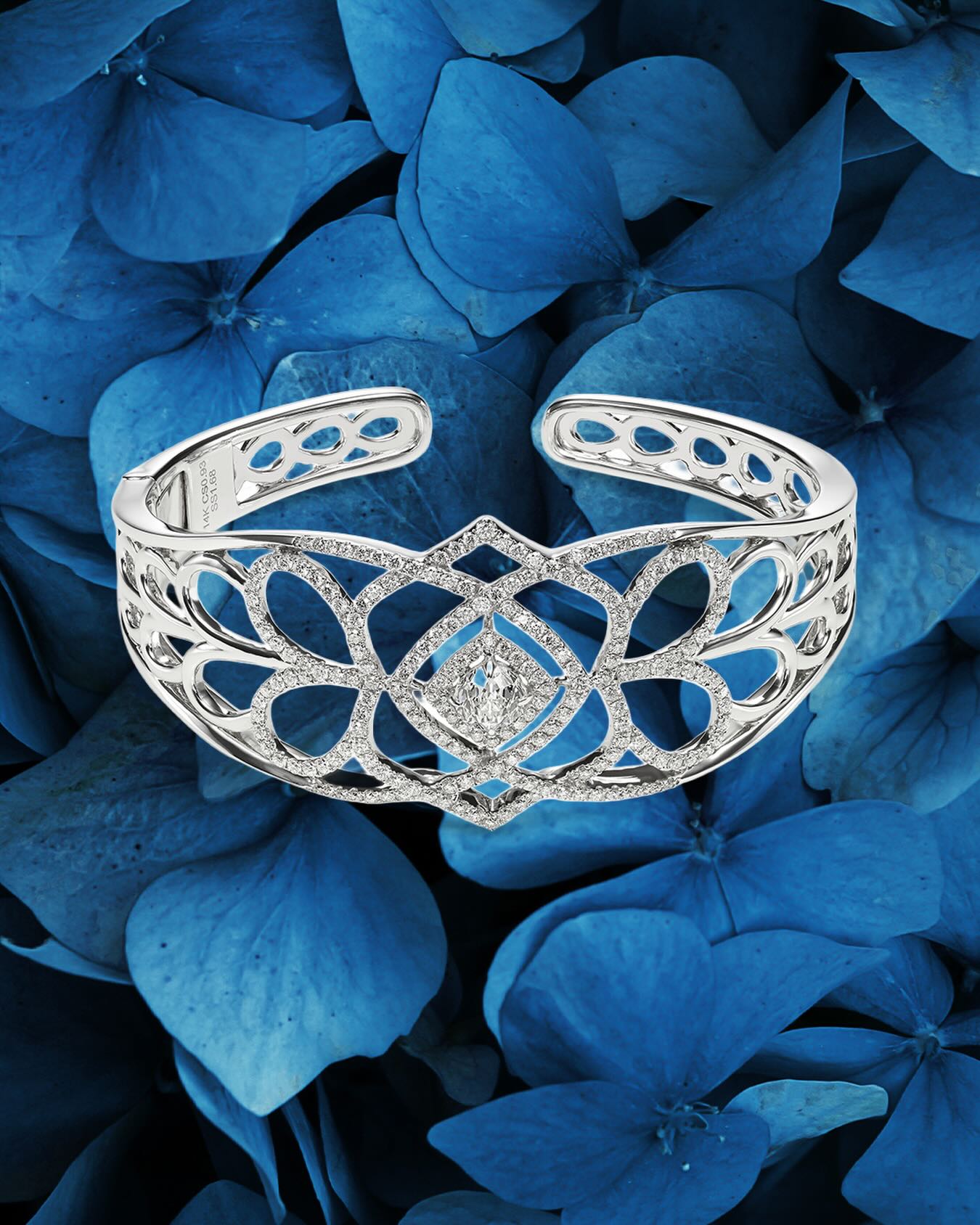
Customized diamond jewellery can be created using both natural diamonds and lab-grown diamonds.
Analytics & Reporting
Luxury Reimagined with natural Diamonds jewellery
Customized natural diamond jewellery is crafted exclusively with genuine natural diamonds, offering unmatched beauty, rarity, and elegance. Each piece is designed according to your vision, allowing you to choose the diamond shape, size, setting, and precious metal. From engagement rings and necklaces to earrings and bracelets, every creation is personalized to reflect your unique style and story. Combining expert craftsmanship with the timeless brilliance of natural diamonds, customized jewellery becomes a cherished heirloom for generations.
Growth & Scaling
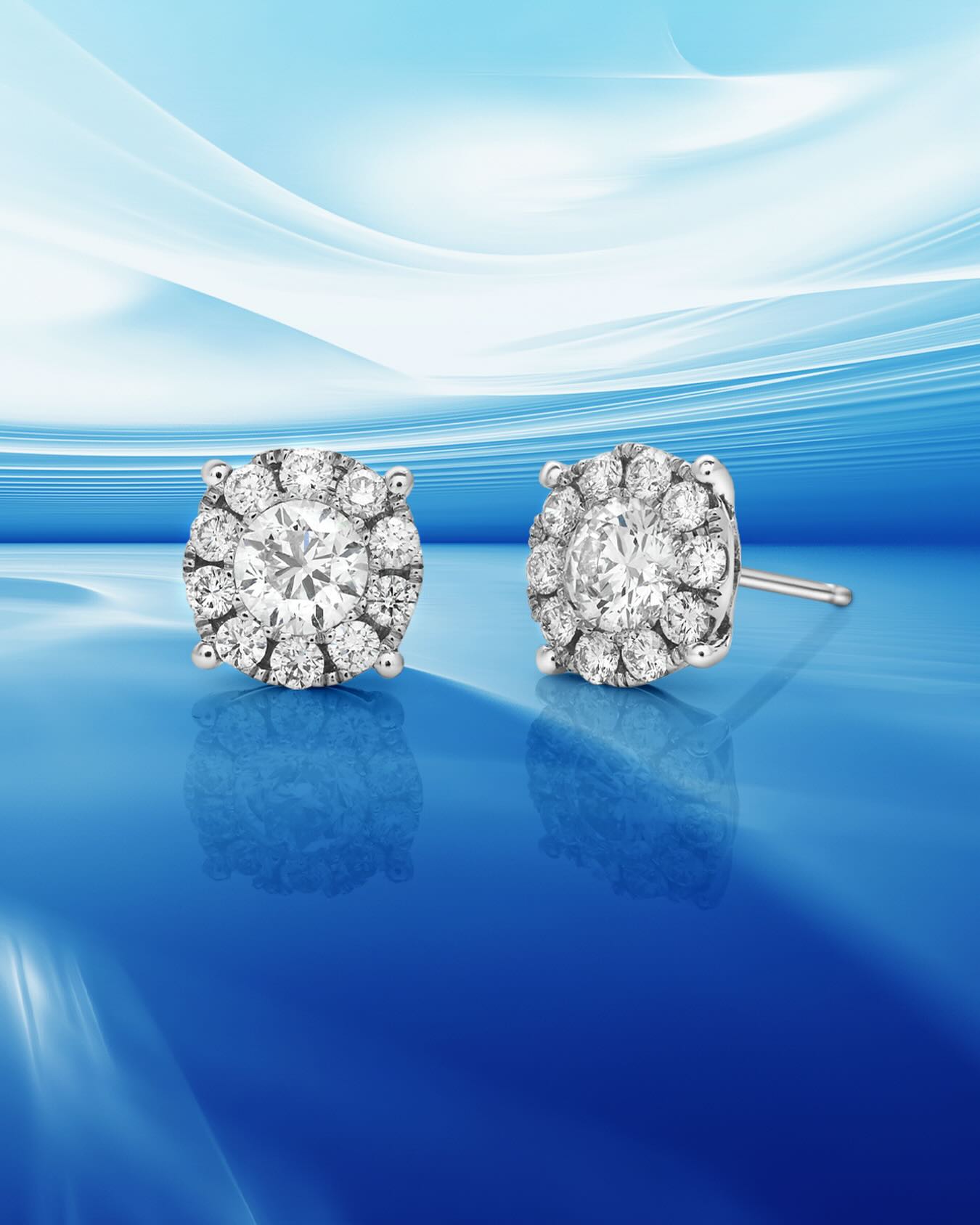
Lab-Grown Diamond Jewellery
Customized lab-grown diamond jewellery combines modern innovation with personalized craftsmanship to create unique and meaningful pieces. Designed according to your preferences, you can choose the diamond shape, size, setting, and style to match your vision. Whether it’s a ring, necklace, bracelet, or earrings, each piece is crafted with genuine lab-grown diamonds that offer exceptional brilliance, quality, and value. Customized lab-grown diamond jewellery is the perfect blend of elegance, sustainability, and individuality.
AI Automation
Same Brilliance, Different Origins – Choose the Diamond That Fits Your Style and Budget
Yes, there is usually a price difference between natural diamond jewellery and lab-grown diamond jewellery.
- Natural diamond jewellery is generally more expensive because natural diamonds are rare and formed over billions of years within the Earth.
- Lab-grown diamond jewellery is more affordable because the diamonds are created in controlled laboratory environments.
- Both types of diamonds have the same sparkle, hardness, and beauty, but their origin affects their price.
- On average, lab-grown diamonds can cost 30% to 80% less than comparable natural diamonds.
- The exact price difference depends on the diamond’s carat weight, cut, color, clarity, and the jewellery design.
Testimonials & Reviews
If you’re looking for diamonds, I can also help with
Experts in Natural and Lab-Grown Diamond
Round

If you’re looking for a round diamond for jewelry, I can also help with:
Estimating price ranges based on your budget.
Choosing the right carat, color, clarity, and cut grade
Comparing round vs. oval, princess, cushion, or emerald cuts
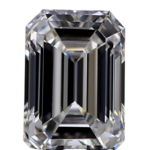
Emarald
The emerald cut has 58 facets (25 crown, 8 girdle and 25 pavilion). Because of the angle, size and shape of the facets, the emerald cut shows less brilliance and fire (dispersion) than the other brilliant cut diamonds. However, the emerald cut stone reveals a classic beauty and elegance not seen in other cuts. The look of an emerald cut diamond is subtle and understated with less “flash,” or reflection and refraction than brilliant cuts.
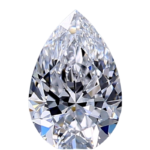
Pear
Founder
The pear shape diamond, also known as the teardrop diamond, combines the brilliance of a round cut with the elegance of a marquise shape. Its unique pointed tip and rounded end create a graceful, elongated appearance that enhances sparkle and adds a distinctive touch to any jewellery design. Pear-shaped diamonds are a popular choice for rings, pendants, and earrings due to their timeless beauty and versatility.
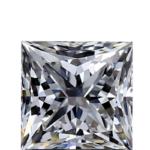
Princess
Clean lines and expert faceting make princess cut diamonds popular for rings, earrings and fine jewelry. Shop loose princess cut diamonds to find the perfect fit.
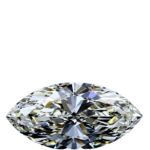
Marquise
The marquise shape diamond features a distinctive elongated design with pointed ends, creating a regal and sophisticated look. Known for maximizing carat appearance, this elegant cut can make the diamond look larger while enhancing finger length. Its brilliant faceting delivers exceptional sparkle, making it a stunning choice for engagement rings and fine jewellery.
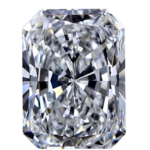
Radiant
The radiant cut is the name used to describe the cut-cornered, rectangular or square modified brilliant, the technical description on GIA grading reports.
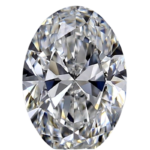
Oval
The oval shape diamond is a timeless and elegant cut known for its elongated silhouette and brilliant sparkle. Its unique shape creates the illusion of a larger diamond size while offering a sophisticated and modern look. Oval diamonds are a popular choice for engagement rings and fine jewellery because they beautifully enhance finger length and maximize brilliance.
Heart
IT Director
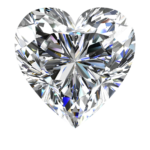
The heart-shaped diamond cut is a romantic symbol of love. The unique look of the heart helps make it a sweet choice for a variety of engagement rings and diamond jewelry. Heart-shaped jewelry has long been a symbol of everlasting connection. This fancy shape looks perfect with romantic details and rose gold.
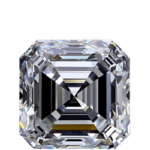
Square Emarald
The Square Emerald Cut Diamond combines the timeless elegance of an emerald cut with a balanced square shape. Featuring step-cut facets and a large open table, it showcases exceptional clarity, sophistication, and a captivating hall-of-mirrors effect. Its clean lines and refined sparkle make it a perfect choice for modern and classic jewellery designs.
Frequently Asked Questions
Where can I find excellent diamond manufacturers in India?
The diamond manufacturers in India are known for the wide variety of diamonds produced. These are not just sold in India but are also exported to other countries like Germany, the US, the Gulf countries, Hong Kong, and the European nations. The best Diamond manufacturers are therefore found in Surat, Gujarat.Surat serves 90% of the world’s diamond needs.
what to look for when buying a diamond?
While you are looking to buy a diamond, you have to focus on factors such as colour, clarity, cut, price, carat weight, the shape of the stone, certification and grading allotted to the diamond. And the most important of all.
Can I resell a natural diamond and lab grown diamond?
Yes, you can. Just like you buy a natural diamond and lab grown diamond for an affordable price, you can resell the same and make a profit.
Natural and lab-grown diamond Fancy shape
custom diamonds specifically for your engagement ornaments to shine jewelry that will best suit you.
Different shape :- Round , Emerald, princess, pear, oval, cushion, Heart, Radiant,shield, kite, Modified pear step cut, Modified oval step cut more.
Natural and Lab-grown diamond Fancy color
fancy :- yellow, Biue, Pink, Geen, Red , purpal
Fancy vivid :- yellow, Biue, Pink, Geen, Red , purpal
Fncy Light :- yellow, Biue, Pink, Geen, Red , purpal
Fancy Intence :- yellow, Blue, Pink, Geen, Red , purpal
Diamond Clarity :-
The clarity of these diamonds is determined by the atmosphere that they are made in. They tend to have inclusions on them that affect the clarity and texture. While some inclusions can be observed with the naked eye, some are not noticeable even after being magnified under a microscope. High temperatures are the primary reason that decides the presence of inclusions on the diamonds and decides the clarity of the same.
Best Clarity :- Fl, If, VVS1, VVS2, VS1, VS2
Diamond Carat Weight :-
The larger the carat weight of the stone, the larger the flat table surface of the stone and the greater the potential for faceting.
1 ct to 20 ct up diamonds available.
IGI and GIA Certified Diamond
પ્રમાણપત્ર એ પૂર્વનિર્ધારિત લાક્ષણિકતાઓ – કટ, રંગ સ્પષ્ટતા અને કેરેટના 4Cs સામે હીરાનું મૂલ્યાંકન અને ગ્રેડિંગ કરવાની પ્રક્રિયા છેમાન્ય રીતે, પ્રમાણપત્ર અથવા અહેવાલમાં પ્રયોગશાળા અને પ્રમાણપત્ર વિગતો સાથે હીરાની નીચેની લાક્ષણિકતાઓ આવરી લેવામાં આવે છે:
Name of the Laboratory
Certificate Number
Shape and Cutting Style
Measurements of the Diamond’s diameter
Carat Weight
Color Grade
Clarity Grade
Cut Grade
Finish, Polish & Symmetry
Fluorescence
Comments
Plotted diagram of the diamond that shows the imperfections.
Key to Symbols that help identify characteristics marked in the plot.
Security Features for the certificate
Graphical image of Diamond Structure
Information about Diamond’s Depth, Table, Girdles, Culet and Facets etc.
Latest News & Articles
Beau sancy diamond
The Beau Sancy comes from the famous diamond mines around Golconda, now in the Indian state of Telangana. Like its sibling diamond, the Sancy, it is part of the stones collectively known as the Golconda diamonds, which also include the Koh-i-Noor and the Hope Diamond. The Beau Sancy is sometimes also known as the ‘Little Sancy’ to better distinguish it from its larger sibling. It is unknown when the diamond first reached Europe, but the earliest record of its existence comes when it was acquired by French diplomat Nicolas de Harlay, seigneur de Sancy, most likely in Constantinople, where he was the French ambassador at the court of Sultan Selim II. When de Sancy faced financial difficulties in attempting to raise an army for Henry III of France, he was forced to sell off some of his jewels, among them both Sancy diamonds; the stones received their names after this sale in around 1589.
-
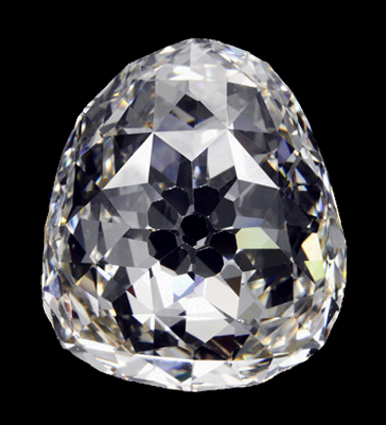
Beau Sancy Diamond
Every natural diamond has a story, we make it visible
Enter your diamond’s unique id access The diamomd experience ,
the complete record of your naturql diqmond’s jourrney from mine to your hand. See its origin reports,and every recorded step along the way. Your provenance record, always accessible
Most popular and timeless shape
Maximum sparkle and brilliance